Chimney Swifts in Your Chimney: What Dallas Homeowners Can and Cannot Do
Chimney swifts are small migratory birds that nest inside chimneys from spring through summer. They are protected by federal law, so an active nest must be left alone. They leave in the fall, and then the chimney can be cleaned and capped.
It starts in late spring. A fluttering sound in the fireplace. Then, a few weeks later, a loud, fast chattering every time something moves near the chimney. If this is happening in your Dallas home, you probably have chimney swifts.
Chimney swifts are protected birds. While they are nesting, the law says they must be left alone. They leave by themselves in the fall, and then you can have the chimney cleaned and capped.
What Is a Chimney Swift?
A chimney swift is a small, dark gray bird with long, narrow wings. People often describe it as a “flying cigar.” Swifts spend almost the whole day in the air, catching flying insects. A single pair and their young eat thousands of mosquitoes, flies and termites each day.
Swifts cannot perch on a branch the way other birds do. Their feet are built to cling to a vertical surface. Long ago they nested inside hollow trees. As those trees were cut down, the birds moved into brick chimneys, which look much the same to a swift: tall, dark and rough inside.
Why They Choose Your Chimney
- It is open. There is no chimney cap, so they can fly straight in.
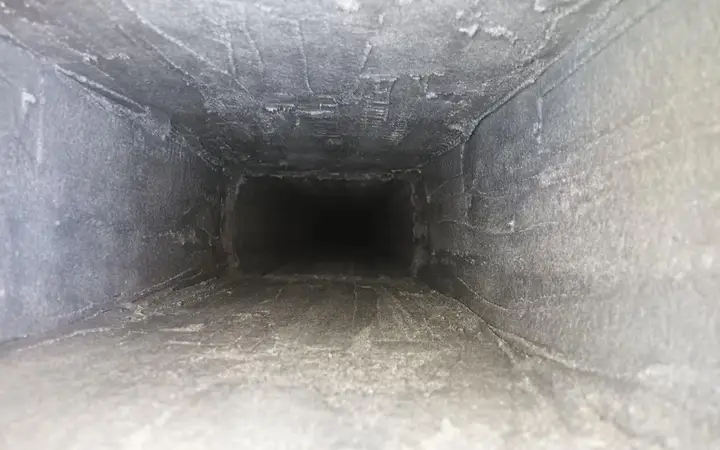
- It is rough inside. Brick, stone and clay tile give their feet something to grip.
- It is quiet in summer. Nobody lights a fire in Dallas in June.
A single pair will nest in one chimney. The nest is a small half-cup of twigs glued to the chimney wall with the bird’s own saliva. Outside the breeding season, larger groups sometimes roost together in one big chimney at dusk.
The Chimney Swift Calendar in North Texas
- Spring: swifts arrive from South America and look for a nest site.
- Late spring to early summer: the pair builds a nest and lays eggs.
- Summer: the eggs hatch. For two to three weeks the chicks are loud, especially when a parent arrives with food. Then they make their first flight.
- Late summer to fall: the family uses the chimney to roost at night.
- Fall: migration. The birds head south and the chimney is empty until spring.
The Texas Parks and Wildlife Department has more on the species on its chimney swift page.
What the Law Says
Chimney swifts are protected by the Migratory Bird Treaty Act. It is against federal law to remove or disturb the birds, their eggs or an active nest. That applies to homeowners and to chimney companies.
A reputable chimney sweep will not remove an active swift nest. If a company offers to, find another company.
What You Can Do While They Are There
- Close the damper. This keeps the birds, and their droppings, out of the firebox and muffles the sound.
- Do not light a fire. It will kill the birds and can set the nest alight.
- Do not try to smoke them out or reach in.
- Be patient. The loud stage lasts a few weeks.
- If a chick falls into the firebox, it can sometimes be placed back on the wall above the damper, where it will cling and climb. A local wildlife rehabilitator can advise.
What to Do After They Leave
Once the swifts have migrated, usually by late fall, it is time to deal with the chimney:
- Have the chimney swept. The nest and droppings are removed and the flue is cleaned. See our chimney sweep service.
- Have it inspected. We check that the flue is clear and undamaged before you light the first fire.
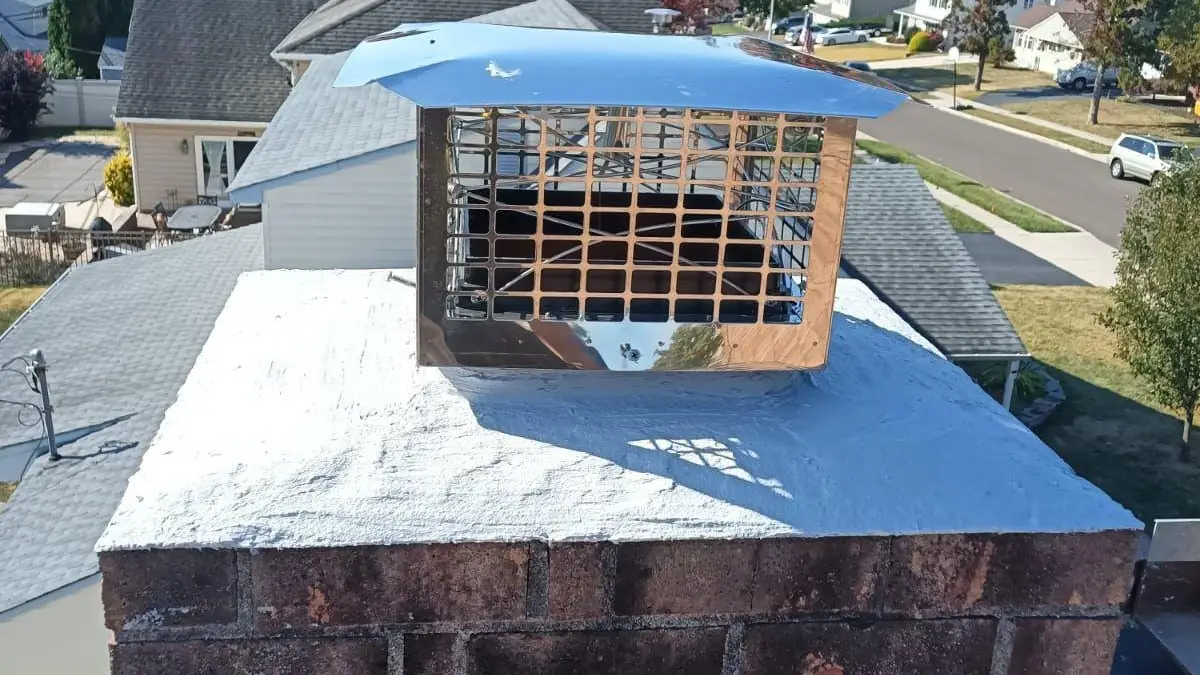
- Decide about a cap. A chimney cap with a mesh screen keeps swifts, squirrels and raccoons out. It also keeps out rain.
A Note on Metal Flues
Prefab fireplaces have a smooth metal flue. Swifts cannot cling to metal, so a bird that enters can slide down and become trapped. Metal chimneys should always be capped, for the birds’ sake as well as yours.
Welcome Them or Keep Them Out?
Chimney swift populations have fallen sharply over the past 50 years, mostly from the loss of nest sites. Some homeowners choose to leave a masonry chimney uncapped in summer, close the damper, and have the flue cleaned each fall after the birds are gone. Others would rather not share. Both are reasonable choices, as long as the cap goes on while the chimney is empty.
If you have another animal in the chimney, such as a squirrel or a raccoon, that is a different situation and can usually be handled right away. See animal removal from chimneys.
Why Dallas Homeowners Trust Dallas Chimney Care
Dallas Chimney Care is an owner-led chimney and fireplace company based in Preston Center. The advice on this blog comes from the same people who do the work on Dallas roofs and fireplaces.
- Owner with 20 years as a chimney technician
- Certified by the Chimney Safety Institute of America (CSIA)
- Insured, with a written price before any work starts
- 5-Year Workmanship Warranty on our work
- A small local Dallas business, not a big chain
Read more about our chimney services in Dallas or about our team.